Inverter Technology Upgrade: Powering Corporate Core Value in 2025-2026
Industrial Heartbeat Reimagined
Against the backdrop of dual-carbon goals and Industry 4.0 wave, inverters, the "power core" of industrial equipment, are undergoing revolutionary technological innovations.
From the popularization of silicon carbide chips to the deep application of digital twins, from nanosecond-level responses to full-scenario adaptation, the newly developed next-generation inverters are not only powerful tools for corporate energy conservation and consumption reduction but also become the core engine of intelligent manufacturing.
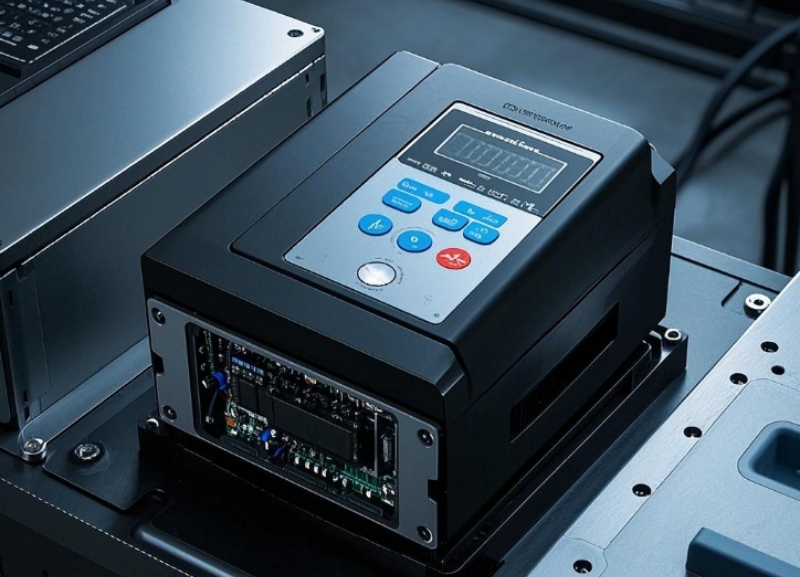
Core Breakthrough 1: Silicon Carbide (SiC) Technology Powers Dual Leap in Energy Efficiency and Power
Ultimate Energy Efficiency
For example, some newly developed silicon carbide inverters achieve energy efficiency as high as 98.5%, an improvement of 1%-3% compared to traditional inverter models. For instance, a 450kW air compressor can save over 36,000 RMB in electricity costs annually.
High-Frequency Heavy Load
The switching frequency increases to 16kHz, with current surge of 14%-20% at the same power output. Air-floating/magnetic-floating equipment can operate without derating.
Compact and Flexible
The new inverter models have a 25% smaller volume than previous generation products. Some companies can directly replace old equipment in their aging workshops without position changes, saving renovation costs.
These application scenarios are particularly suitable for various air compressors, blowers, vacuum pumps and other high-speed fluid equipment in enterprises, especially for chemical and manufacturing companies sensitive to energy consumption and installation space.
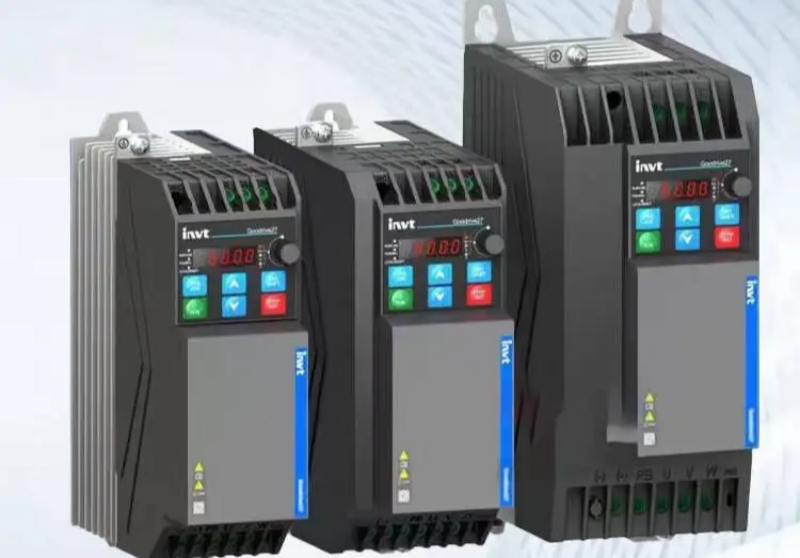
Core Breakthrough 2: Intelligent Management Upgrade - From "Passive Control" to "Proactive Prediction"
Predictive Maintenance
Inverters monitor internal vibration, temperature, and insulation resistance, combined with machine learning algorithms, enabling early warning of bearing wear, insulation aging and other faults.
Digital Twin + AR Operation & Maintenance
Inverters become more intelligent, capable of building virtual models for real-time synchronized data operation. Corporate managers wearing AR smart glasses and other devices can directly view internal structures and fault prompts, improving equipment maintenance efficiency by over 50%.
Remote Full Control
New inverter models support 4G/Ethernet remote upgrades and parameter debugging, with real-time equipment status monitoring on mobile terminals, reducing corporate on-site operation costs.
These technological upgrades specifically target mining explosion-proof inverter products. Through integration with industrial internet platforms, they enable coordinated control of multiple equipment such as coal mining machines and shearer conveyors, automatically optimizing parameters based on coal seam conditions, improving overall efficiency by over 20% - very impressive results.
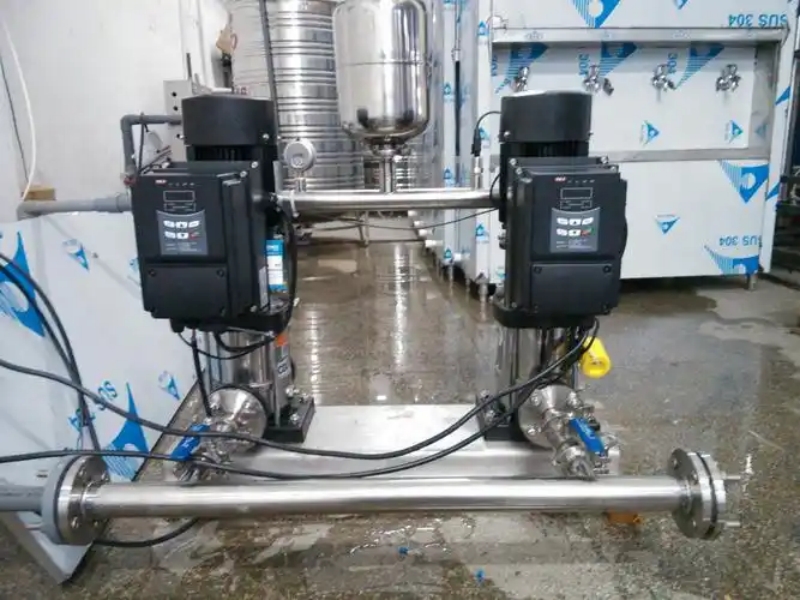
Core Breakthrough 3: Full Motor Compatibility with High-Precision Control
Multi-Motor Compatibility
Newly developed inverter products can drive 6 types of motors including asynchronous, permanent magnet synchronous, and synchronous reluctance motors, supporting special equipment such as direct-drive motors and motor spindles.
Ultimate Precision
The inverter's closed-loop flux dynamic drop < 0.25%, torque response < 5ms, and permanent magnet synchronous motor speed regulation ratio reaches 1:1000 (with PG).
Zero-Speed Heavy Load
Technologically achieved 0Hz/200% torque suspension and 150% zero-speed short-time operation, meeting corporate needs for heavy-duty scenarios such as lifting and papermaking.
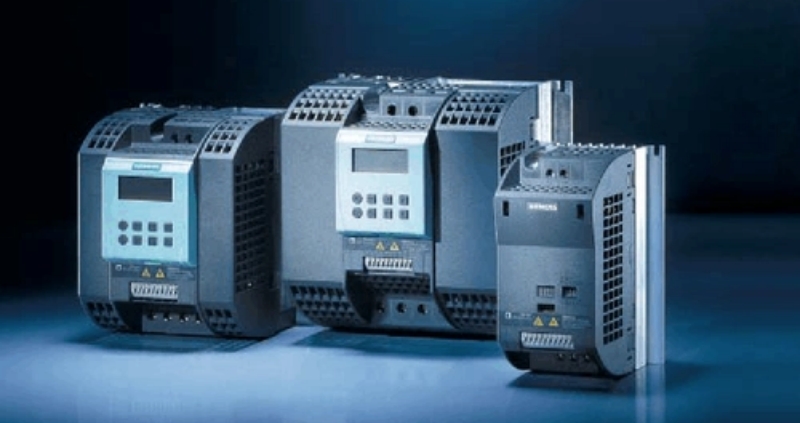
Core Breakthrough 4: Safety and Expansion Integration for Complex Industrial Scenarios
Functional Safety
New inverter models integrate STO (SIL2 level) safe torque off function, eliminating accidental startup risks.
Flexible Expansion
Support mainstream communication protocols such as PROFINET and EtherCAT, optional PLC expansion cards for secondary development, and 16K program storage space to meet customization needs.
Motor Protection
Can directly connect to PT100/PTC sensors for temperature monitoring without additional transmitters, reducing motor failure rate by 30%.
These technological designs can support enterprises in multi-equipment linkage scenarios such as metal processing, textiles, petrochemicals, printing and packaging, enabling upgrades from single-machine control to full-line intelligence with significant effects.
Tangible Value of Next-Generation Inverters
Actual Corporate Benefit Calculation
Taking 10 units of 15kW equipment as an example, energy consumption significantly reduces after adopting next-generation inverters:
? Annual electricity cost savings of approximately 24,000-48,000 RMB (based on 8,000 operating hours per year at 0.8 RMB/kWh)
? Predictive maintenance reduces downtime, saving over 30% in annual maintenance costs
? Improved motor protection extends equipment service life by 5-8 years
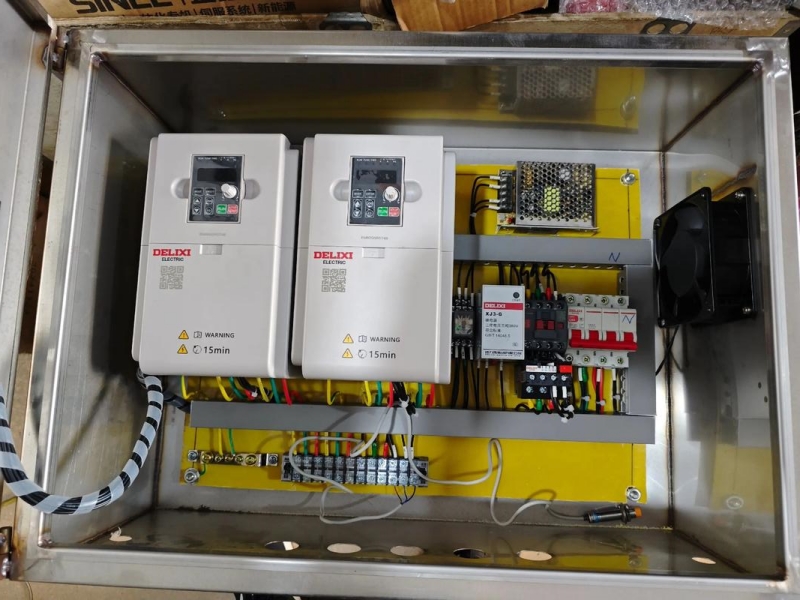
Conclusion: Technological Innovation Drives Industrial Upgrading
From the energy efficiency revolution of silicon carbide to the intelligent empowerment of digital twins, every technological breakthrough in inverters is reshaping the power logic of industrial production.
For enterprises, choosing to purchase and use next-generation inverters is not only an inevitable choice to respond to the national "dual-carbon" policy but also an inevitable choice to reduce management costs, increase efficiency, seize intelligent manufacturing opportunities, and enhance core competitiveness.